March 22, 2026 · 8 min · JOURNAL
Why Your Gut Changed After 40 — And What Actually Helps
Your gut changes dramatically after 40, especially during perimenopause. Here is the science behind bloating, food sensitivities, and what actually restores balance.
Written and medically reviewed by the Elysiv Life clinical team — board-certified Nurse Practitioners.
KEY TAKEAWAYS
- ✓Stomach acid, motility, and microbiome diversity all shift with age and hormones.
- ✓Restoration is mostly about consistency: fiber, fermented foods, stress load, sleep.
- ✓Persistent issues warrant a full workup — lab-based, not guess-based.
Bloating that never used to happen. Foods that suddenly do not agree with you. A digestion that feels like it changed overnight sometime in your forties. You are not imagining it — the gut genuinely shifts with age and hormones, and understanding what changed points straight at what actually helps.
What changes in the gut after 40
Several things move at once. Stomach acid production can decline, which affects how well you break down protein and absorb minerals. Motility — the pace food moves through you — often slows, contributing to bloating and constipation. And microbiome diversity tends to fall with age, more so through perimenopause as estrogen and progesterone shift, since those hormones influence the gut lining and the bacteria living on it. The result is a system that is more easily thrown off than it used to be.
What actually restores balance
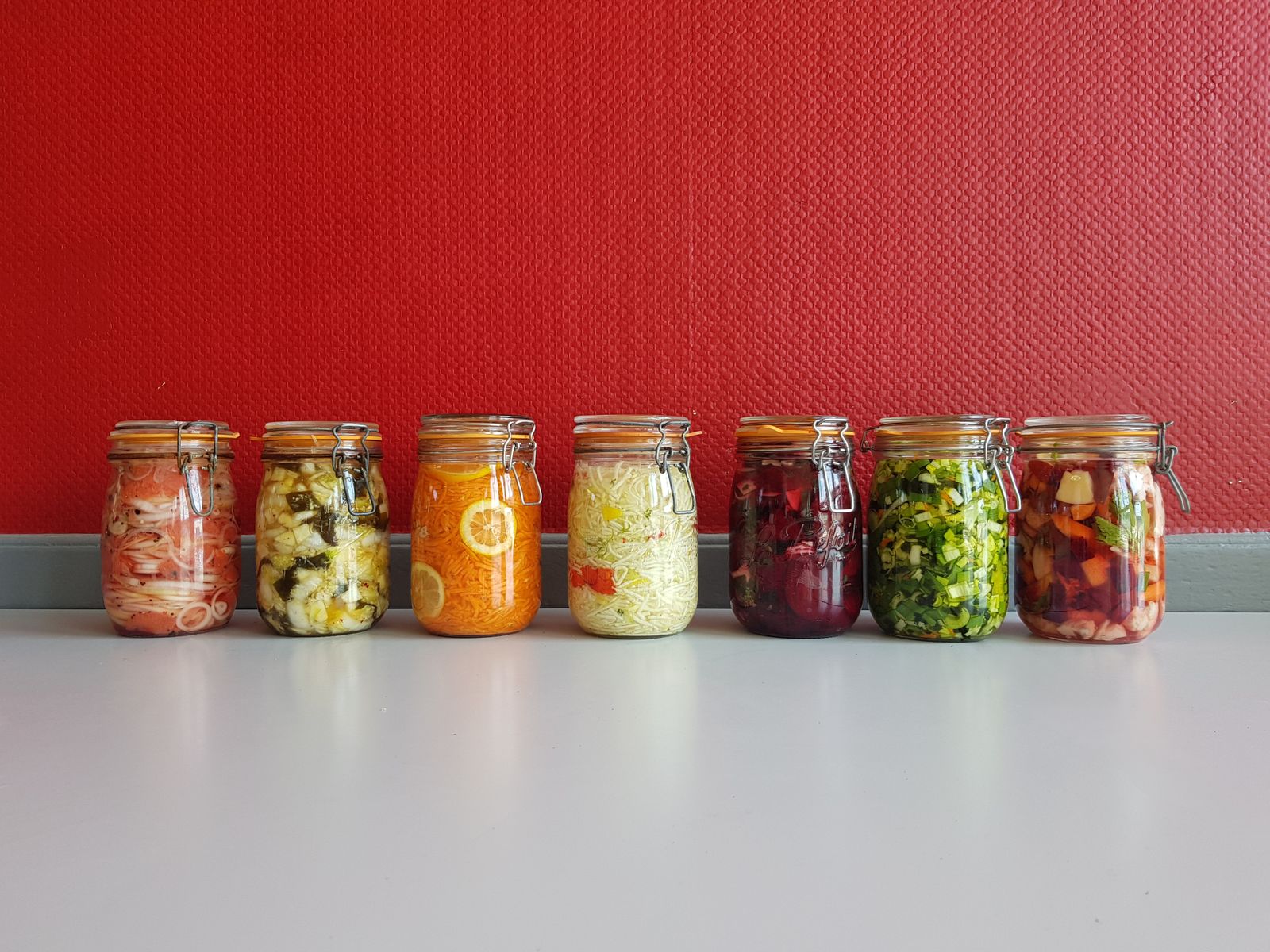
The interventions are unglamorous and they work through consistency, not intensity. Fiber, from a variety of plants, feeds beneficial bacteria and supports motility — most adults get roughly half of what they need. Fermented foods such as yogurt, kefir, kimchi, and sauerkraut add microbial diversity directly; a landmark Stanford study found that a fermented-food-rich diet increased microbiome diversity and lowered inflammatory markers. Hydration and post-meal movement support motility. And because the gut is exquisitely sensitive to stress and sleep, managing both is not a side note — it is part of the protocol. This is the same microbiome that drives the gut-brain signaling behind hunger and cravings.
When to stop guessing
Occasional bloating responds to the basics. Persistent symptoms — ongoing pain, significant changes in bowel habits, unexplained weight change, or reflux that will not settle — deserve a real workup rather than another elimination diet. Age-related change and a treatable condition can feel identical from the inside; labs and a clinical history tell them apart.
When gut symptoms point to a broader pattern, our Metabolic Optimization program runs the labs and hormone review that connect the dots — instead of leaving you to guess.
SOURCES
RELATED AT ELYSIV
When gut symptoms point to a broader pattern, our Metabolic Optimization program runs the labs and hormone review that connect the dots.
Metabolic Optimization program